● Open 24/7 for emergency calls
Basement Waterproofing in Harrison Township, MI That Actually Stops the Water
We diagnose the actual water source before we quote anything — no guessing, no upsell, just a plan sized to your basement.
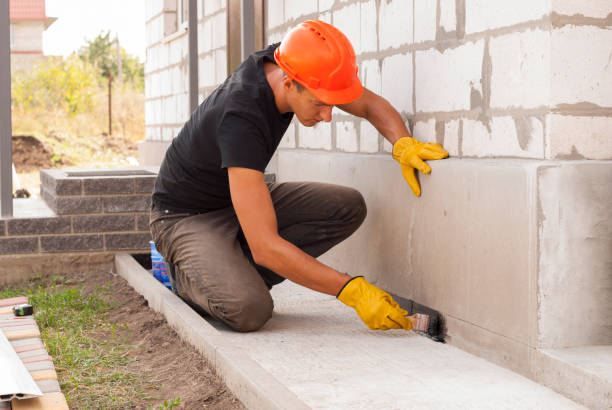
We diagnose the actual water source before we quote anything — no guessing, no upsell, just a plan sized to your basement.
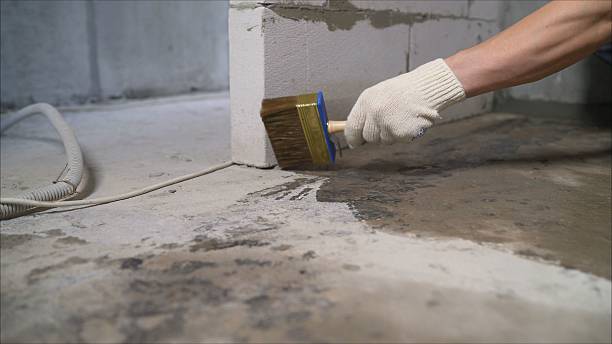
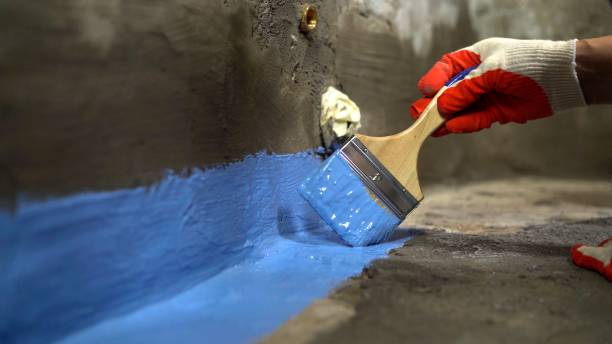
Basement waterproofing mistakes usually come down to one thing: fixing the symptom instead of the source. A contractor who paints over a wet wall without checking cove joint condition or exterior grading is setting you up for the same call again in a year or two.
Every technician carries full state licensing and liability coverage before they ever step into your basement.
Most inspection requests get a same-day or next-day appointment, not a two-week wait.
You get one written number before drilling starts, covering drain tile, sump basin, and discharge line.
Thermal imaging helps us confirm whether a stain is active moisture or an old, already-fixed leak.
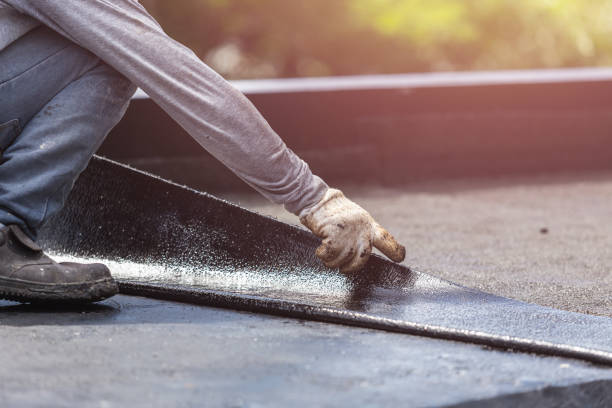
We scope every Basement Waterproofing job in person before quoting it, since two properties with the same symptom rarely need the same fix.
We route drain tile beneath the existing slab line so flooring disruption stays minimal during installation.
Every drain tile system needs a properly sized sump pump — we calculate basin size and pump horsepower from your square footage and local water table depth.
Vertical wall cracks get epoxy or polyurethane injection depending on whether they're still actively weeping.
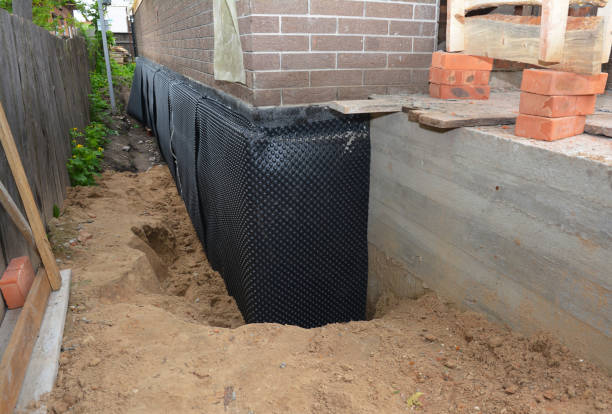
A dimpled plastic membrane behind any finished basement wall channels residual moisture down to the drain tile instead of trapping it behind drywall.
Window wells that hold water after a storm are a direct pressure point against the glass and frame — we add gravel beds and drain lines tied into the main system.
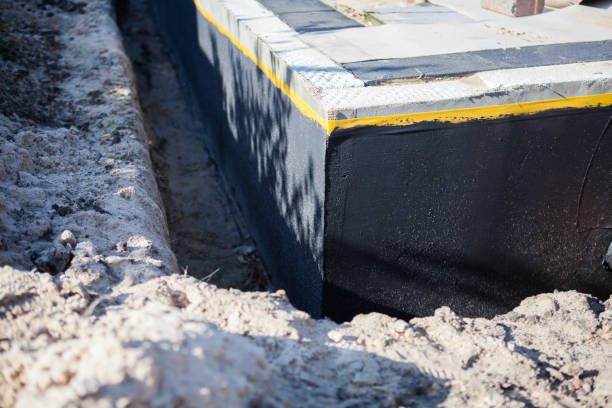
You describe what you're seeing — a wet spot, a musty smell, standing water — and we get a rough read on urgency before dispatching anyone.
A technician walks the basement with a moisture meter, checking walls, floor, and cove joints to trace the water back to its actual source.
You'll see drain tile footage, sump specs, and labor broken out separately, not one vague lump-sum number.
Most residential basement jobs finish in one to three days, and we test the sump pump under load before we leave.
"Our finished basement started smelling musty and we finally found a wet spot behind the drywall. They cut open the cove joint, ran drain tile, and it's been dry for over a year."
— Harrison Township Homeowner
"Sump basin was undersized from the last owner's DIY job. They resized it and we haven't had a drop since."
— Harrison Township Customer
"Appreciated that the estimate matched the final invoice exactly — no surprise add-ons once the floor was already open."
— Harrison Township Homeowner
"Installed a battery backup sump pump for us right before a big storm season — glad we did it when we did."
— Harrison Township Customer
Cost depends on linear footage, sump basin size, and whether cove joint sealing is included — we won't give a number without an in-person inspection.
Yes — interior drain tile requires cutting a channel along the slab edge, which we patch with concrete once the system is installed.
Most residential interior drain tile and sump installations finish in one to three days depending on basement size.
Not always — an isolated, non-leaking crack can sometimes be handled with injection alone.
We provide photos and moisture readings that many Harrison Township, MI homeowners have used to support a claim.
Warranty terms are often transferable if you sell the property later.
We install interior drain tile and sump systems throughout Harrison Township and the surrounding Harrison Township, MI service area, including the zip codes listed below.
Zip codes we serve in Harrison Township, MI: 48045
One call gets you a licensed specialist, a written quote, and a same-day time window.
Call +1-866-476-1348© SGP Waterproofing. All rights reserved.